znajdziesz nas na:



znajdziesz nas na:



Veneers are a popular solution in aesthetic dentistry, allowing patients to improve the appearance of their smile and restore natural anterior teeth. Bruxism, on the other hand, is a habitual and often unconscious grinding or clenching of the teeth during the night or throughout the day, leading to tooth wear, fractures, and temporomandibular joint disorders. The combination of these two issues raises questions about the durability and safety of prosthetic restorations, as well as the necessity to treat bruxism before placing veneers. Proper diagnosis, dental consultation, and the implementation of protective measures, such as a night guard, are essential to ensure that the patient can enjoy an attractive smile without the risk of prematurely damaging porcelain or composite materials.
Veneers are thin prosthetic shells bonded to the front surface of the teeth. Their primary purpose is to enhance the aesthetics of the smile—they can mask discolorations, irregularities, and correct minor occlusal or shape defects. Depending on the patient’s needs, porcelain veneers and composite veneers are available. These differ in durability, aesthetics, and resistance to wear. Porcelain is more stain-resistant, while composite veneers are easier to adjust and more cost-effective. Increasingly, no-prep veneers are also being used, allowing the natural tooth structure to remain largely untouched.
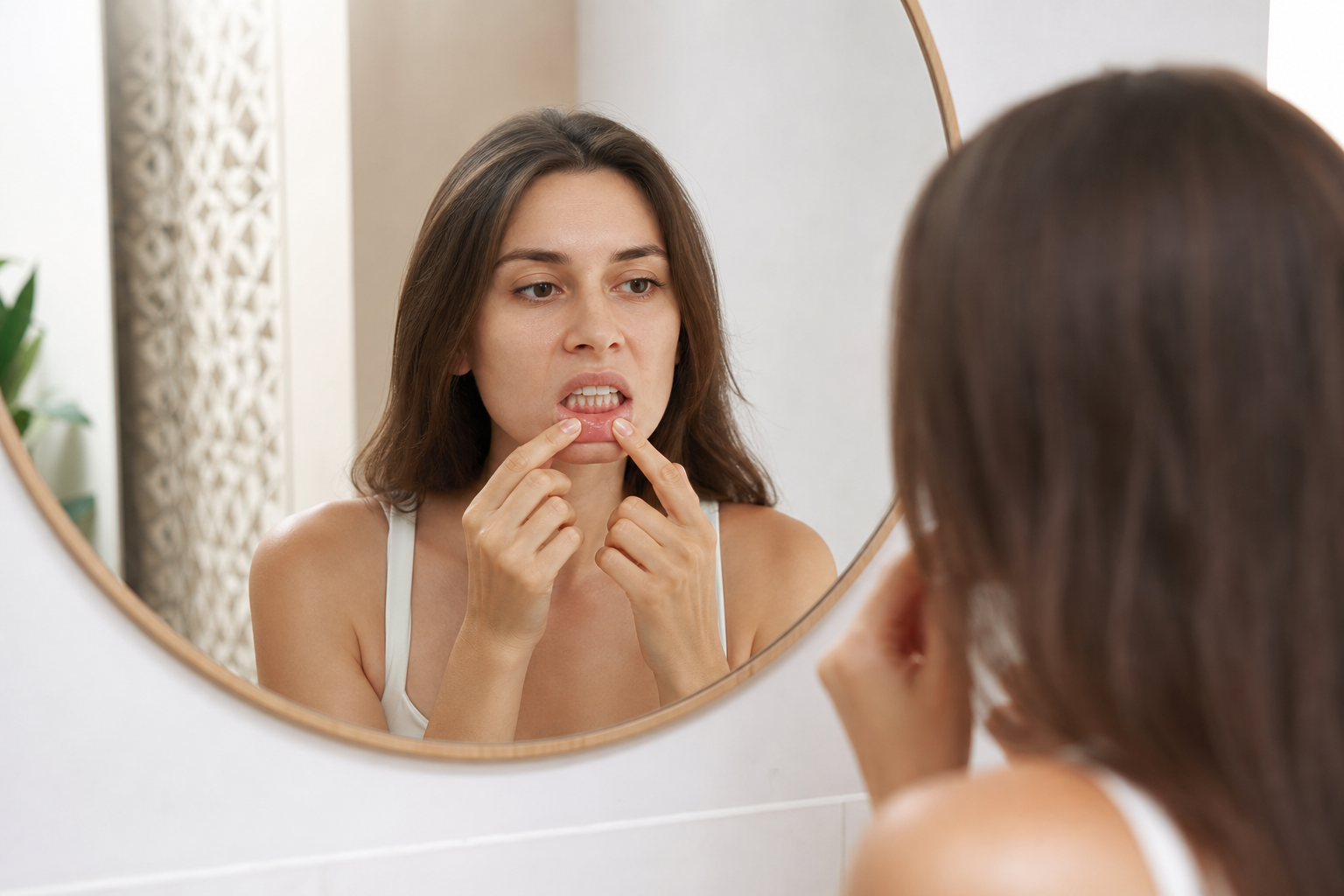
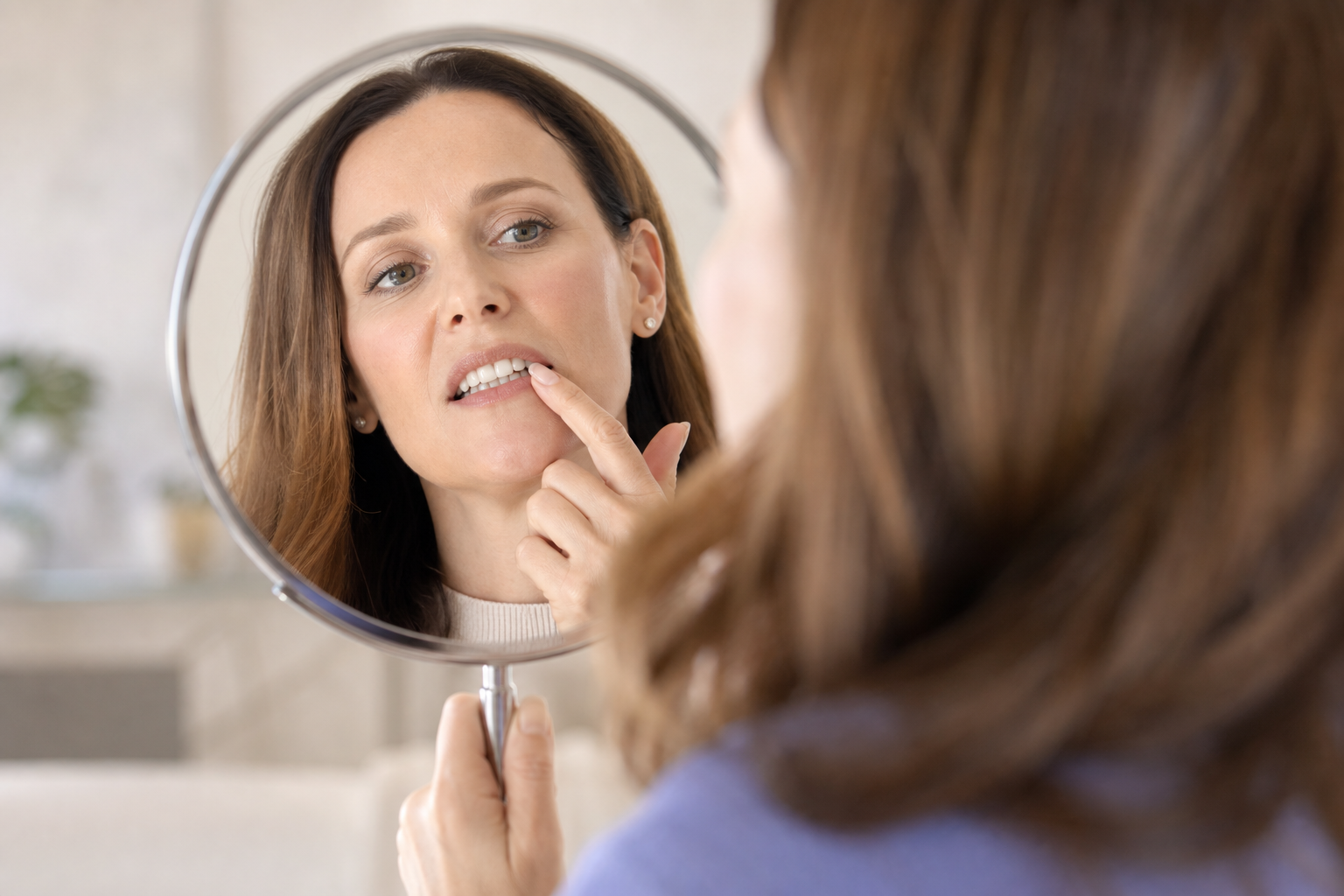
Bruxism is a parafunctional activity characterized by unconscious clenching and grinding of the teeth, most often at night. In practice, it means that a patient may grind their teeth for hours, leading to enamel wear, fractures, and damage to tooth surfaces. Bruxism also affects the temporomandibular joints, causing pain and discomfort, and may result in malocclusion and sleep disturbances over time. Treatment is necessary, as the consequences can be severe for the entire dentition, not only the anterior teeth.
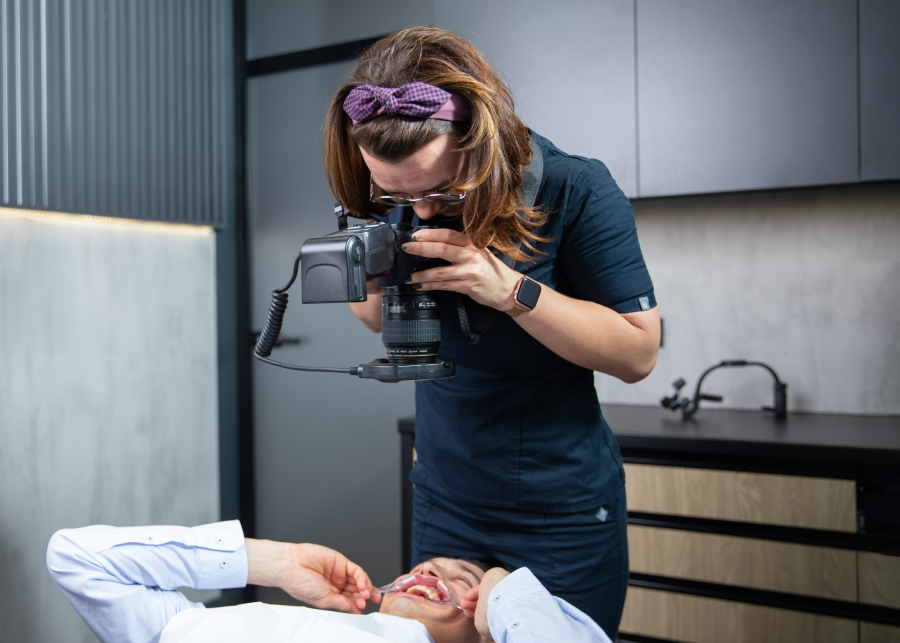
Placing veneers on patients with bruxism requires special caution. Although veneers are made of porcelain or composite, they are not resistant to intense wear. Habitual grinding can cause fractures, chipping, and progressive damage. Therefore, in cases of bruxism, the dentist must perform thorough diagnostics, including occlusal analysis, digital scan or impression, and evaluation of existing restorations. Lack of control over the parafunction is often a contraindication to immediate veneer placement. Bruxism must be addressed first to ensure the patient can enjoy a beautiful smile without the risk of rapid deterioration of the restorations.
Various methods are used to manage bruxism and protect natural teeth and veneers from damage. The most common include:
For many patients, the night guard is the first step that allows safe planning of prosthetic and aesthetic reconstruction.
A patient with bruxism who decides to undergo veneer treatment should follow several key principles:
Bruxism may be a contraindication to immediate veneer placement. Pathological occlusal forces, unconscious grinding, and clenching can quickly damage veneer material. Before proceeding, the dentist should assess:
Veneers are possible in patients with bruxism, but always after appropriate therapy that reduces the risk of restoration failure.
Veneers can significantly enhance the appearance of teeth and improve smile aesthetics. However, in patients with bruxism, they require special protection. Bruxism affects the entire stomatognathic system, causing enamel wear, pain, discomfort, and damage to restorations. Therefore, porcelain or composite veneers should always be preceded by diagnostics and, if necessary, orthodontic treatment or the fabrication of a night guard. Only then can the patient fully benefit from the aesthetic and functional results that modern dentistry offers.










Uśmiechaj się pewniej każdego dnia
Odkryj, jak nowoczesne technologie i innowacyjne metody leczenia mogą przynieść rewolucję w dbaniu o Twoje zęby. Nasz zespół specjalistów jest gotowy wprowadzić Cię w przyszłość stomatologii
Markiewicz Clinic
ul. Karola Szymanowskiego 2 lok. 6
80-280 Gdańsk
+48 58 558 80 57
rejestracja@markiewiczclinic.com
znajdziesz nas na:



 Unia Europejska
 +48 58 558 80 57




 osobiście w rejestracji Kliniki,