znajdziesz nas na:



znajdziesz nas na:



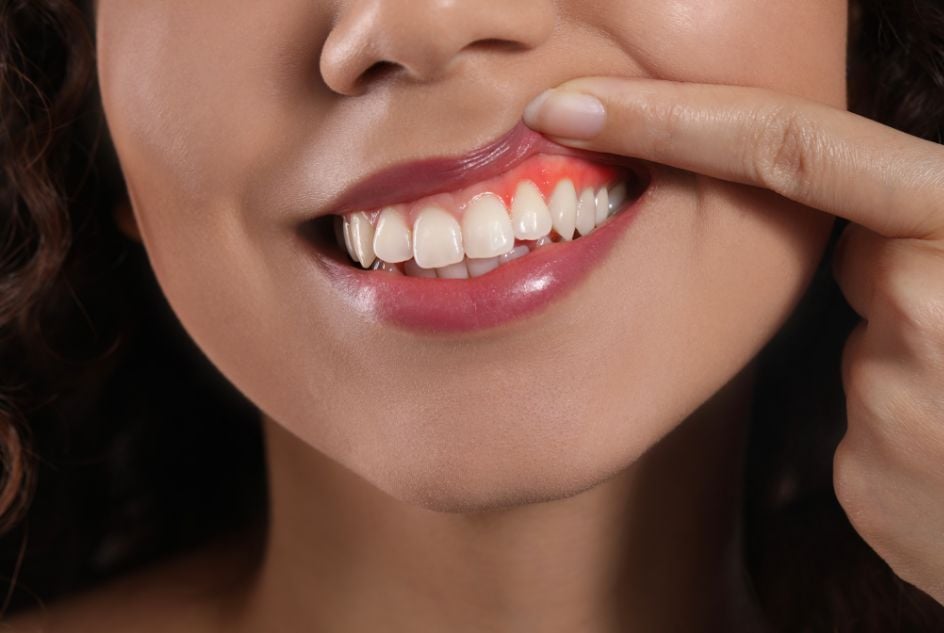
Autogenous gum grafts and procedures using biomaterials represent two different approaches to achieving stable coverage of gingival recession and reconstruction of soft-tissue contours around teeth. Autogenous tissues generally provide the highest predictability of integration and long-term stability of the gingival margin, though at the cost of an additional surgical site in the palate. Modern biomaterials reduce invasiveness and postoperative discomfort and, when used in appropriate indications, can achieve comparable aesthetic and functional outcomes. However, the final result—understood as the durability of root coverage, reduction of hypersensitivity, and improvement of smile aesthetics—also depends on the gingival biotype, surgical technique, and meticulous oral hygiene combined with control of risk factors responsible for gingival margin recession.
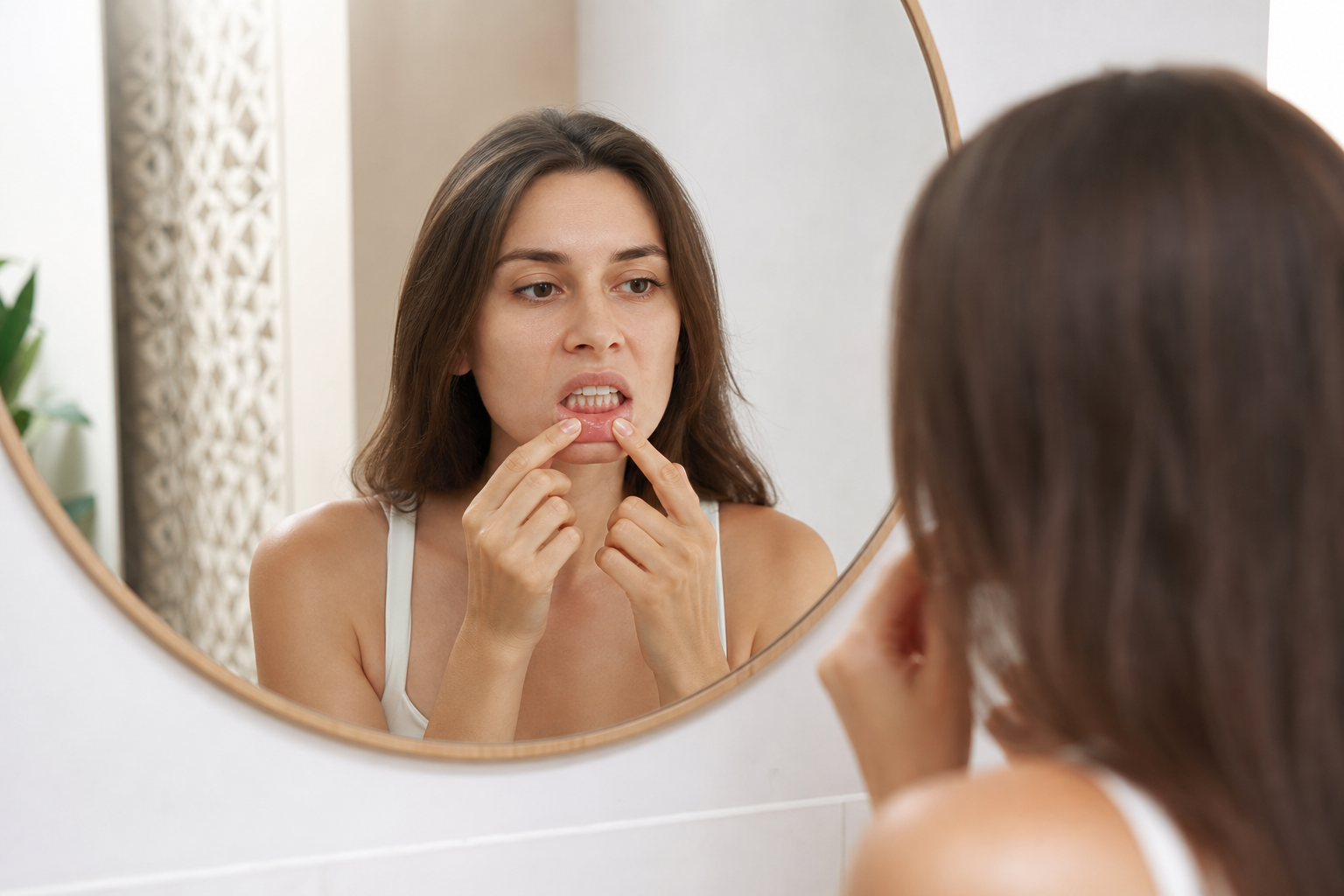
Gingival recession often begins subtly: the gums gradually recede, the cervical area and root surface of the tooth become exposed, and hypersensitivity to cold as well as discomfort during tooth brushing may appear. Gingival recession not only compromises smile aesthetics but may also lead to serious periodontal problems over time. Progressive gingival tissue loss and gingival margin recession lower the gum line, negatively affect oral health, and may sometimes be a contraindication to dental implants or orthodontic treatment. For this reason, methods for treating gingival recession are evaluated in terms of root coverage, long-term stability, and safety.
A gingival graft is a surgical procedure which, in its classical form, involves harvesting tissue from the patient’s palate and transferring it to another area of the oral cavity to achieve recession coverage. The most common technique is a connective tissue graft, known as a subepithelial connective tissue graft, in which a thin fragment of gingival tissue is harvested from the palate. Alternatively, a free gingival graft or other soft-tissue grafts of varying thickness may be used depending on the condition of the gingiva.
Such a gingival graft offers the possibility of covering gingival recession, increasing the thickness of soft tissues, and strengthening the periodontal tissues. In many cases, a gingival graft is an effective treatment for gingival recession, particularly when the goal is to halt the progression of gum recession and improve the aesthetics of the smile.
Modern dentistry offers a wide range of substitute materials, including collagen matrices, membranes, and processed allogenic grafts. Each such biomaterial aims to reinforce the gingival tissues and facilitate recession coverage, especially when harvesting tissue from the palate is not desirable.
Biomaterials reduce the need for additional procedures at the donor site, shorten the healing process, and decrease patient discomfort. In many clinical indications they provide comparable aesthetic results; however, in cases of advanced gingival tissue loss, autogenous tissues are still considered the gold standard.
Recession coverage and tissue stability:
A connective tissue graft from the palate typically provides greater predictability of root coverage and stability of the gingival margin. Biomaterials perform well in cases of more superficial recession when the patient expects a less invasive procedure.
Healing process and patient comfort:
A gingival graft involves two surgical sites—the palate and the recipient area—therefore patients may experience postoperative pain. When biomaterials are used, healing at the recipient site is generally faster because the palatal donor site does not need to heal.
Long-term stability:
Autogenous tissues integrate better with periodontal structures and less frequently require reoperation. Biomaterials can produce excellent outcomes, but in some patients the risk of tissue retraction may increase if oral hygiene is not well maintained.
Complex indications:
In cases of a thin gingival biotype or when planning dental implant placement (implantology), autogenous tissues usually help widen the zone of keratinized gingiva and stabilize tooth roots in preparation for future dental implants.
After a gingival graft procedure, dentists recommend avoiding mechanical trauma to the surgical area. Recovery after a gum graft requires avoiding hard foods, and during the first week patients should refrain from hard snacks and vigorous tooth brushing.
Gums after a graft or biomaterial-based procedure must be protected from the accumulation of dental calculus and bacterial plaque. Monitoring the condition of the gingiva requires regular follow-up visits at the dental clinic.
Dentists typically provide detailed postoperative instructions, including maintaining proper oral hygiene, brushing gently, rinsing the oral cavity as recommended, and consuming foods that will not irritate the surgical wound. The healing process usually takes several weeks, while full scar stabilization in the gingiva takes longer. Healing is typically faster when smaller surgical flaps are involved.
Patients who follow oral hygiene recommendations can maintain healthy gums and an attractive smile for many years.
The decision whether to perform a graft is made by the dentist after evaluating the condition of the gums, the thickness of soft tissues, underlying causes (such as improper tooth brushing technique or malocclusion), and the risk of further recession.
If gingival recession is advanced, a gingival graft is often the most effective treatment method. When tissue loss is moderate, alternative approaches may also be considered. The procedure involves precise coverage of the exposed root surface and reinforcement of the gingival margin. In selected cases, soft-tissue grafting may be combined with biomaterials to improve aesthetic outcomes.
Proper oral hygiene, elimination of the underlying causes of recession, and appropriate gingival care help stop the progression of gingival recession and reduce the need for repeat surgical procedures.
The most important factor influencing treatment outcomes is cooperation between the patient and an experienced dentist. In addition to surgical technique, important aspects include controlling brushing force, selecting a soft toothbrush, correcting occlusion if necessary, and managing gingival recession when required.
The gums should be protected from mechanical trauma, oral hygiene must be maintained, and inflammatory sources should be eliminated. If dental implant therapy is planned in the future, a stable gingival margin is essential. In certain cases, a gingival graft procedure is performed prior to implant placement to improve tissue coverage and prevent exposure of implant components.
Autogenous tissues:
Provide the highest predictability of root coverage and long-term durability, though they require harvesting tissue from the palate. Postoperative discomfort is usually experienced mainly at the donor site.
Biomaterials:
Offer lower invasiveness and eliminate the need for palatal tissue harvesting. The final outcome depends on the gingival biotype and the patient’s commitment to oral hygiene.
Common requirements for both methods:
Strict oral hygiene, control of brushing force, regular follow-up visits with a specialist, and elimination of the underlying causes of gingival recession.
If you are considering a soft-tissue graft or a biomaterial-based alternative, schedule a consultation. A dentist at Markiewicz Clinic will assess the condition of your periodontal tissues, plan recession coverage, and select an appropriate treatment method to restore oral health and achieve a long-lasting, natural result.










Uśmiechaj się pewniej każdego dnia
Odkryj, jak nowoczesne technologie i innowacyjne metody leczenia mogą przynieść rewolucję w dbaniu o Twoje zęby. Nasz zespół specjalistów jest gotowy wprowadzić Cię w przyszłość stomatologii
Markiewicz Clinic
ul. Karola Szymanowskiego 2 lok. 6
80-280 Gdańsk
+48 58 558 80 57
rejestracja@markiewiczclinic.com
znajdziesz nas na:



 Unia Europejska
 +48 58 558 80 57


 osobiście w rejestracji Kliniki,