znajdziesz nas na:



znajdziesz nas na:



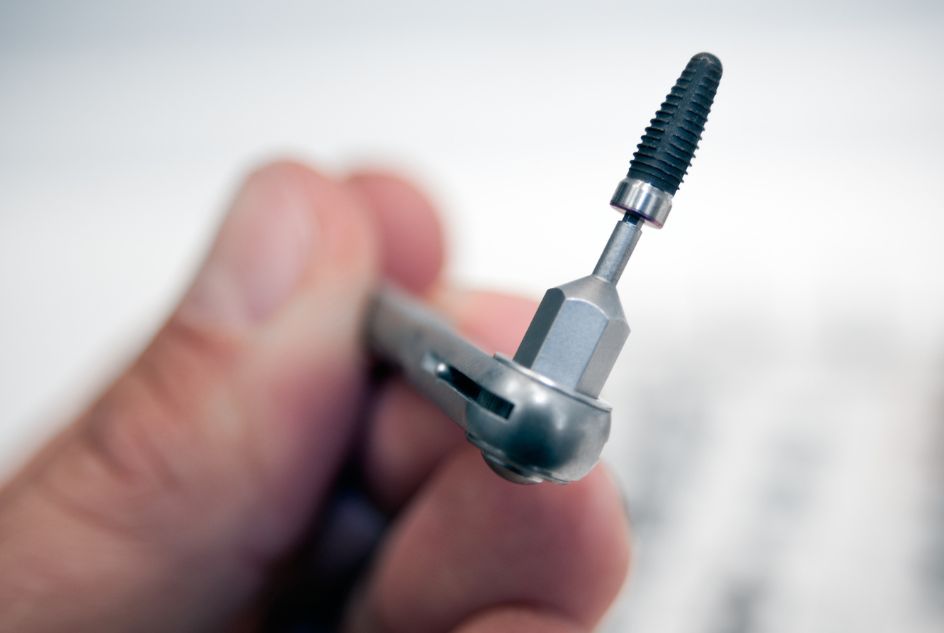
The lifespan of a dental implant depends on multiple factors, and to a large extent the responsibility lies with the patient. The durability of the implant is directly related to adherence to proper oral hygiene protocols as well as the quality of the surrounding bone tissue. A dentist or implantologist can assist in maintaining oral health by providing appropriate recommendations and ensuring regular follow-up visits.
For an implant to remain stable, it is essential to maintain healthy gingiva and prevent carious lesions. The process of osseointegration allows for an optimal connection with the bone, ensuring stability and long-term functionality. Regular dental check-ups allow for the early detection of potential complications that may affect implant longevity. Avoiding harmful habits, such as smoking, can also significantly extend the lifespan of an implant.
Dental implants—particularly those made of titanium—can last for many years, provided that proper oral hygiene and regular follow-up care are maintained. The longevity of implants can also be enhanced by appropriate prosthetic adjustments and the restoration of missing teeth. Biological factors, such as the health of the bone and gingival tissues, play a crucial role in ensuring long-lasting implant survival.
Dental implants are among the most common solutions for replacing missing teeth; however, they may not always last as long as desired. Several factors influence their durability. Primarily, the condition of the implant and the quality of the bone can significantly affect its lifespan. Inadequate oral care and the absence of regular professional check-ups may result in peri-implant bone loss, compromising the implant’s function.
Therefore, patients must maintain proper oral hygiene and attend regular professional evaluations. Another determinant of implant survival is the correct execution of the surgical procedure. Dental implants must be properly placed and carefully selected for the patient’s individual case.
With age, natural bone resorption processes can impact implant stability. The better the bone quality and the earlier implant treatment is undertaken, the higher the likelihood that implants will remain functional for many years. Additional factors such as smoking, alcohol consumption, and dietary habits also influence implant longevity, in much the same way as they affect natural teeth.
Dental implants are designed to be long-lasting, but for them to serve their function effectively, consistent care is required. Thus, the answer to how long implants last is complex and depends on numerous variables.
Read also: Alternatives to dental implants
Proper maintenance is essential to ensure that implants function for many years as replacements for lost teeth. The longevity of dental implants depends on several factors, including oral hygiene, diet, and even stress levels that may contribute to bruxism. It is crucial to pay special attention to the areas surrounding the implant, brushing and flossing at least twice daily. Regular visits to the dentist are equally important for professional cleaning and the assessment of both soft tissue and bone health.
However, longevity is determined not only by hygiene but also by avoiding harmful habits such as chewing on hard objects or excessive teeth clenching. These behaviors can lead to microfractures, which over time may necessitate implant replacement. Implant survival is also contingent upon the condition of the alveolar bone—bone resorption can predispose to periodontal disease, which should be prevented through consistent monitoring and treatment.
Attention should also be given to diet—limiting sugar intake and incorporating foods that strengthen bones and gingiva, such as those rich in calcium and vitamin D. After the initial healing period, once osseointegration has occurred, the continuation of healthy oral habits is key. With systematic care, dental implants can function flawlessly for many years, serving as durable substitutes for natural teeth.
Read also: Advantages and Disadvantages of Dental Implants














Uśmiechaj się pewniej każdego dnia
Odkryj, jak nowoczesne technologie i innowacyjne metody leczenia mogą przynieść rewolucję w dbaniu o Twoje zęby. Nasz zespół specjalistów jest gotowy wprowadzić Cię w przyszłość stomatologii
Markiewicz Clinic
ul. Karola Szymanowskiego 2 lok. 6
80-280 Gdańsk
+48 58 558 80 57
rejestracja@markiewiczclinic.com
znajdziesz nas na:



 Unia Europejska
 +48 58 558 80 57





 osobiście w rejestracji Kliniki,