znajdziesz nas na:



znajdziesz nas na:



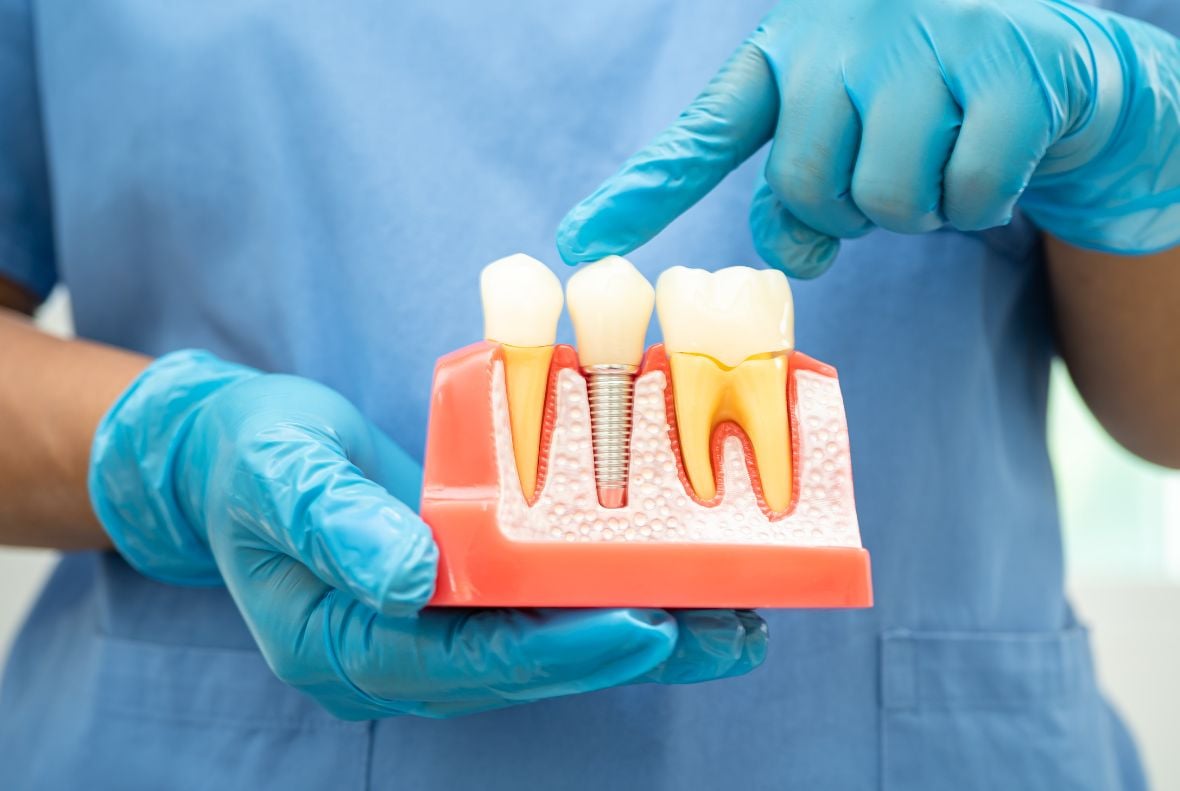
A beautiful smile is a person’s calling card. Unfortunately, due to various dental diseases, not everyone can boast of having one. However, dental technology has advanced to the point where it is now possible to receive dental implants.
Today, the process of inserting dental implants is no longer as difficult or risky as it was many years ago. This is largely due to the development of new types of implants that are safe for the patient’s health and have a very low risk of rejection. In addition, modern equipment used in professional clinics allows the procedure to be performed quickly and almost painlessly.
Dental implants, also known as titanium screws, are no longer a medical novelty in dental offices. They are considered one of the best and safest methods for replacing a missing tooth. Unfortunately, myths circulating among patients have led many people to fear dental implants. But is there really a reason to be afraid?
Dental implants first appeared on the dental market in the 1960s. It was then that the first successful implant procedure was performed. Since that time, technology has improved to such an extent that implants are now considered a safe and virtually non-invasive dental procedure. They are recommended for anyone with missing teeth, regardless of age. Nowadays, nearly all implants are successfully accepted by the body, and in professional clinics, the rejection rate is only 1 percent. It’s also worth noting that the healing process has become faster, and implants are extremely stable.
Unfortunately, not everyone is eligible for dental implants. Pregnancy and uncontrolled diabetes, which hinders wound healing, are significant contraindications. Individuals with cancer are also not candidates for implants. Another contraindication is incomplete jawbone growth, which is why the procedure cannot be performed on adolescents under 17 years of age.
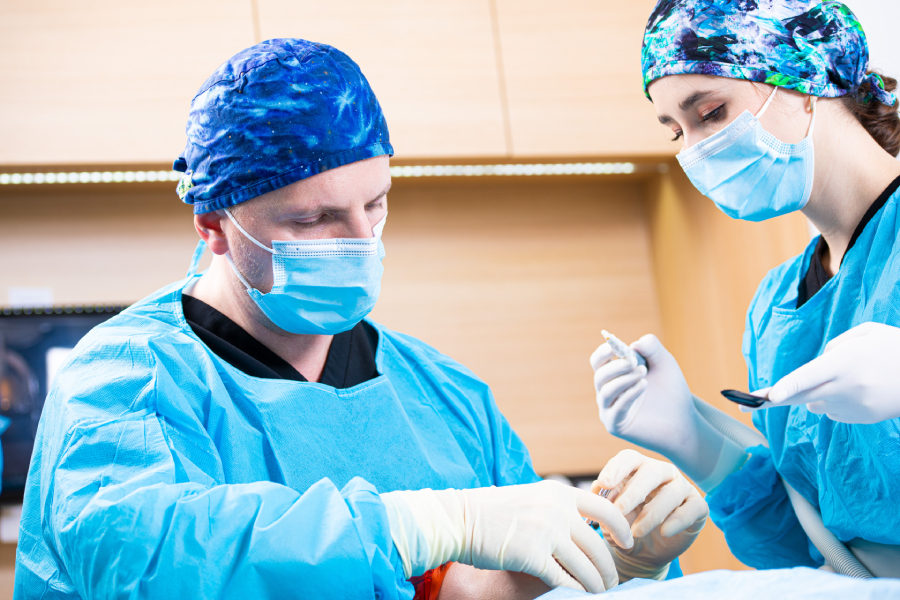
The implant insertion procedure is typically carried out in a single visit. Local anesthesia is most often used, and hospitalization is not necessary. The duration of the procedure depends on several factors. After receiving the implant, the patient must follow a range of dental recommendations to better cope with the initial weeks of discomfort. This includes avoiding certain foods, limiting physical activity, and maintaining special oral hygiene.










Uśmiechaj się pewniej każdego dnia
Odkryj, jak nowoczesne technologie i innowacyjne metody leczenia mogą przynieść rewolucję w dbaniu o Twoje zęby. Nasz zespół specjalistów jest gotowy wprowadzić Cię w przyszłość stomatologii
Markiewicz Clinic
ul. Karola Szymanowskiego 2 lok. 6
80-280 Gdańsk
+48 58 558 80 57
rejestracja@markiewiczclinic.com
znajdziesz nas na:



 Unia Europejska
 +48 58 558 80 57



 osobiście w rejestracji Kliniki,