znajdziesz nas na:



znajdziesz nas na:



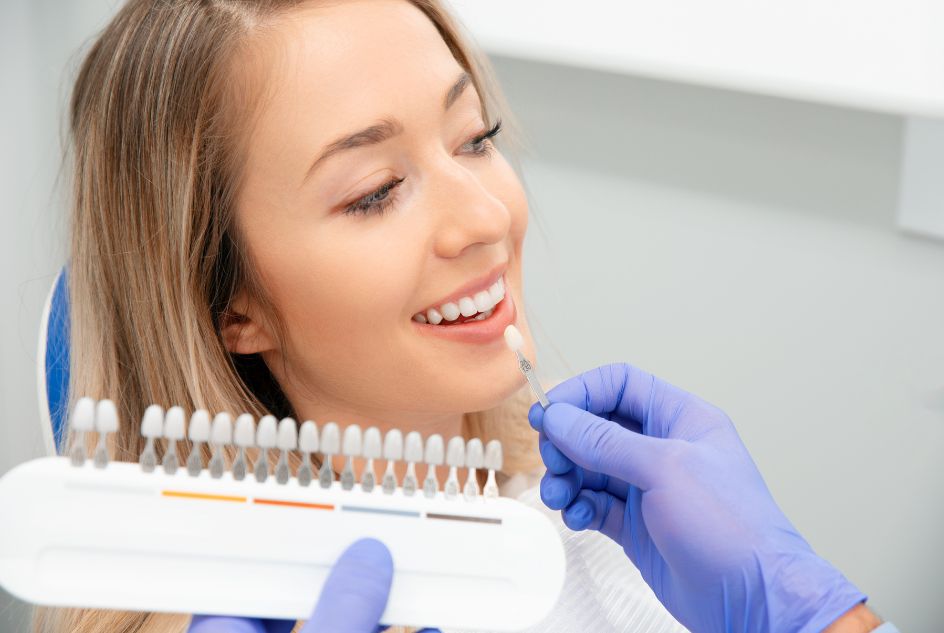
The choice between bonding and veneers is crucial for individuals seeking to improve the aesthetics of their teeth and achieve a beautiful smile. Dental bonding is a procedure that involves applying a composite resin to the front surface of the teeth, allowing correction of shape and discolorations. It is a suitable solution for patients with cracks or minor damage who wish to quickly enhance the appearance of their smile. Bonding is reversible and less invasive, as it does not require tooth preparation by grinding.
Porcelain veneers, on the other hand, are thin shells fabricated in a dental laboratory and placed on the front surface of the teeth. Veneers are durable, resistant to staining, and provide a more comprehensive aesthetic outcome. However, they are more invasive, since the procedure often requires removal of a small amount of enamel. Porcelain veneers are typically used in smile makeovers and to enhance the natural appearance of teeth.
Both bonding and veneers are effective methods for improving smile aesthetics, but the choice depends on the patient’s individual needs and expectations regarding aesthetics and tooth restoration.
Bonding or veneers? This is a question many patients ask when aiming to enhance the aesthetic appearance of their natural teeth. Bonding is a particularly popular solution in dentistry, involving the application of composite resin to individual teeth in order to correct irregularities or minor defects. This method enables quick masking of imperfections such as gaps between teeth, often in just one visit, without altering the natural tooth structure.
Veneers, by contrast, are thin coverings—often ceramic—that are bonded to the surface of the teeth. Preparing the teeth for veneers requires more time and precision, as slight enamel reduction may be necessary. Bonding and veneers also differ in terms of durability and final aesthetic outcome, making it important to consult with a dentist to determine the best treatment option.
The primary differences between these methods concern the restorative process and the aesthetic effect achieved. The choice between bonding and veneers depends on the patient’s dental condition and personal needs. Both are effective, but bonding is a faster and less invasive option, while veneers offer more durable, stain-resistant results. The final decision should always be made after consultation with a dentist.
Opting for dental bonding may be key for those who wish to improve the aesthetics of their smile. Bonding is a process in which a special composite material is applied to the surface of the tooth to restore it or improve its shape. It is an ideal solution for patients seeking a quick, minimally invasive way to enhance the appearance of their natural teeth or correct imperfections such as discolorations, irregularities, or minor damage.
Bonding is particularly suitable for altering tooth length or when the condition of the teeth does not require more advanced treatments such as crowns or implants. Aesthetic dentistry makes it possible to achieve rapid and effective cosmetic restorations, which is especially important for patients seeking immediate results. Composite material integrates seamlessly with the tooth, producing a highly natural appearance.
Before deciding on bonding, it is essential to consider the current condition of your teeth and discuss options with a dentist. In some cases, veneers may be a better choice, as they also provide excellent aesthetic outcomes but differ in durability and scope of application. The ultimate decision depends on the patient’s individual needs and expectations.
Veneers are thin shells bonded to the surface of the teeth to improve their appearance. They are an excellent solution for individuals seeking significant aesthetic enhancement, especially when their natural teeth are discolored, uneven, or damaged. Veneers are most commonly made of ceramic or composite, and are applied to the front part of the teeth to improve their shape, color, and overall look.
One of the most popular types is ceramic veneers, which are known for their exceptional durability and natural appearance. Ceramic is resistant to staining and damage, making it an especially advantageous choice for patients seeking long-lasting results. Although veneers require careful preparation of the teeth before application, this investment delivers great satisfaction through a beautiful smile.
When considering smile enhancement, many patients deliberate between bonding and veneers. While bonding is quicker and less invasive, veneers often provide more durable and striking results. For patients prioritizing longevity and a natural look, veneers are usually the best option. Veneers represent an investment in a radiant smile that brings confidence and satisfaction for many years.


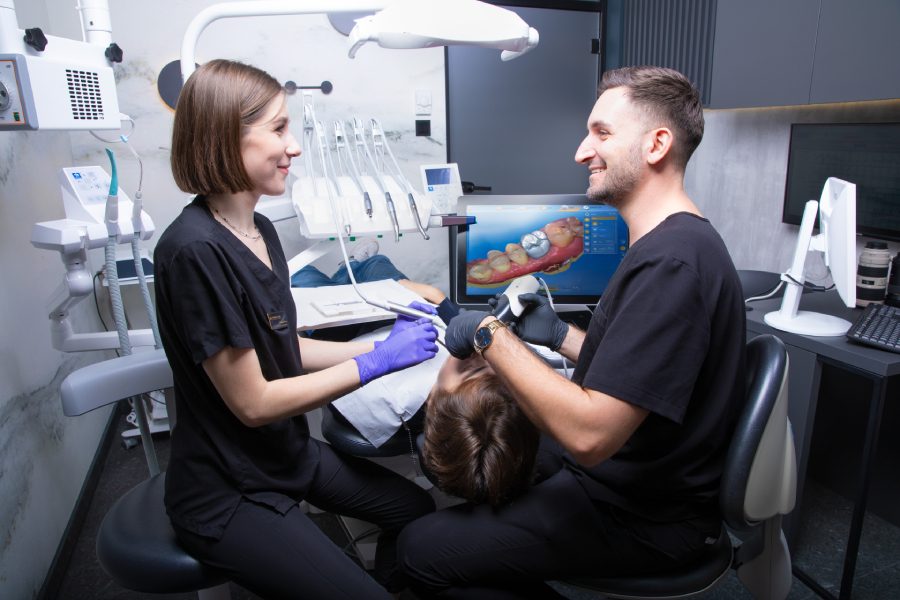

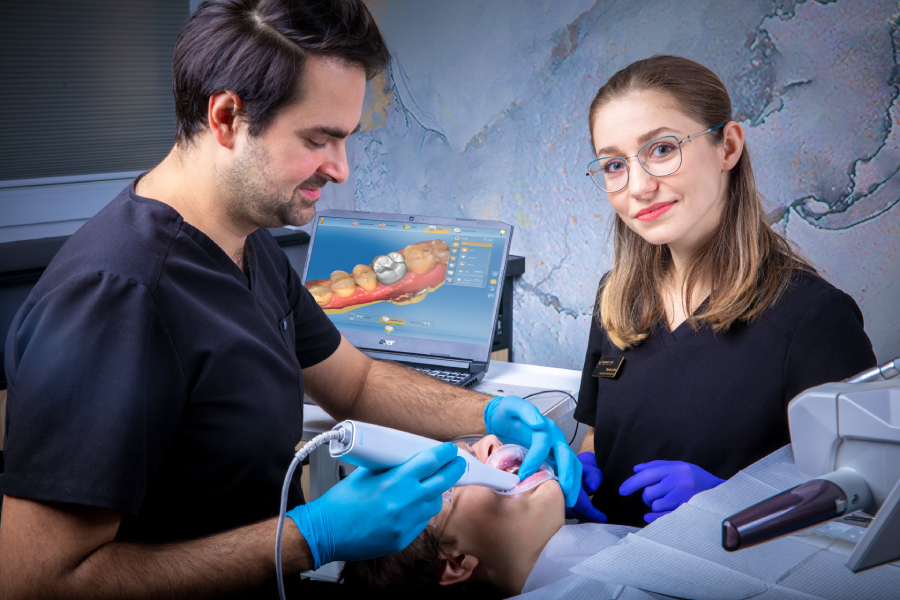













Uśmiechaj się pewniej każdego dnia
Odkryj, jak nowoczesne technologie i innowacyjne metody leczenia mogą przynieść rewolucję w dbaniu o Twoje zęby. Nasz zespół specjalistów jest gotowy wprowadzić Cię w przyszłość stomatologii
Markiewicz Clinic
ul. Karola Szymanowskiego 2 lok. 6
80-280 Gdańsk
+48 58 558 80 57
rejestracja@markiewiczclinic.com
znajdziesz nas na:



 Unia Europejska
 +48 58 558 80 57



 osobiście w rejestracji Kliniki,