znajdziesz nas na:



znajdziesz nas na:



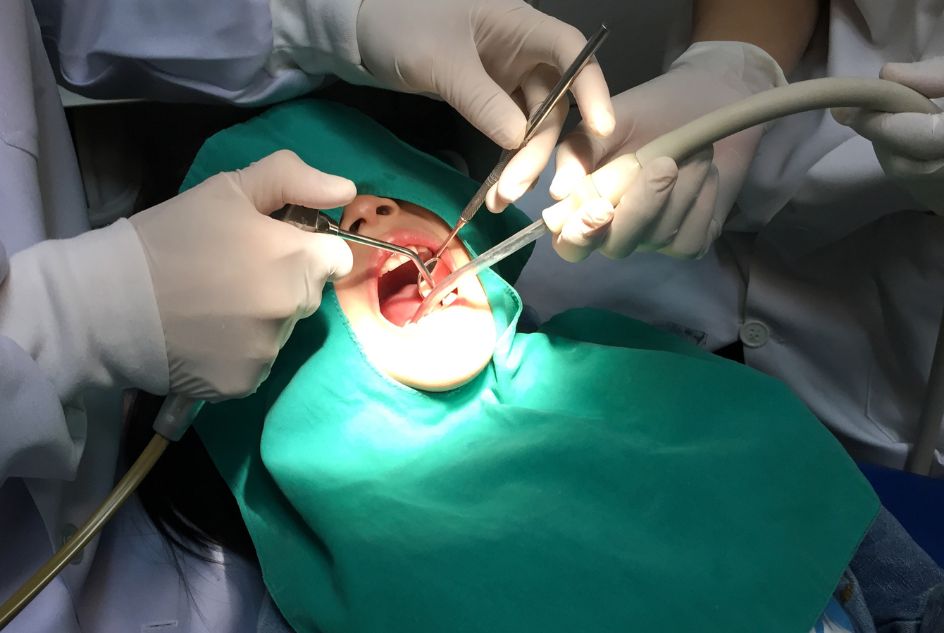
At the outset, it is worth explaining that regenerative dentistry combines classical surgical techniques with cellular biology in order to restore missing structures and achieve a harmonious smile contour. Thanks to tissue grafts and procedures such as guided bone regeneration, it is possible to rebuild support for teeth and implants, as well as improve periodontal quality and gingival aesthetics. In practice, both the patient’s own tissue and safe bone substitute materials are used, supporting tissue regeneration through blood-derived growth factors (e.g., fibrin) or stem cells. Such therapies, performed by an experienced oral surgeon, not only shorten the healing process and minimize the risk of complications, but above all restore healthy conditions in the oral cavity, translating into long-term stability and patient comfort.
Regenerative dentistry is a field in which modern science meets clinical practice to restore lost structures and accelerate healing after trauma, inflammation, or surgical procedures. When a patient loses bone tissue or lacks sufficient periodontal tissue to stabilize an implant, the clinician turns to regenerative procedures. In this way, dentistry not only treats disease but also enables reconstruction and true tissue regeneration, improving both function and aesthetics in the oral cavity. The same philosophy is applied when bone defects must be supplemented prior to further dental treatment.
A key method is guided bone regeneration (GBR), which utilizes a barrier membrane, sometimes described as a healing membrane. It separates the epithelium from the bone bed, creating optimal conditions for the regeneration of alveolar bone and soft tissues. A bone substitute material, an autogenous bone graft, or a combination of both may be used as a filling material. This allows for predictable reconstruction of defects and restoration of optimal bone conditions prior to planned implantological treatment. In clinical practice, this is crucial for the stability of dental implants and the long-term health of teeth.
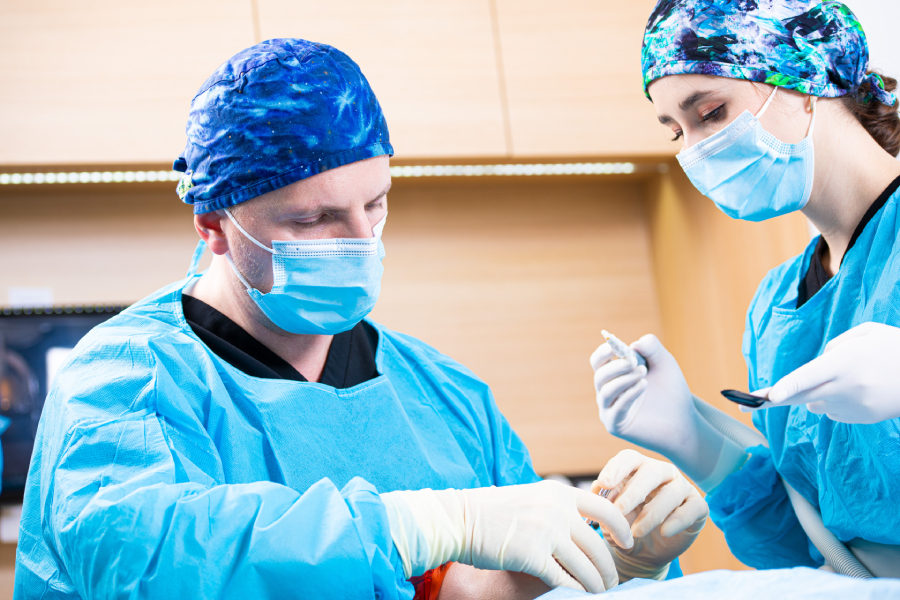
These procedures are surgical in nature and are performed by an experienced oral surgeon or a dentist specialized in oral surgery. The procedure is often preceded by thorough diagnosis and 3D planning to restore proper tissue proportions and minimize discomfort. After harvesting the graft or placing the biomaterial, the clinician places sutures on the gingiva, and the healing process is supported pharmacologically and through specific oral hygiene instructions. In cases where the procedure follows an extraction, the patient receives detailed guidance on proper wound and gingival care to maximize natural regeneration.
Contemporary regenerative dentistry also offers solutions at the intersection of molecular biology and tissue engineering. Blood-derived growth factors (e.g., fibrin) are used to biostimulate healing, regenerative therapies employing stem cells are applied, and in selected cases, personalized regenerative therapies are implemented. These innovative therapies provide new possibilities for damaged tissues, accelerating regenerative processes and improving prognosis after dental and implant treatment. As science advances, we better understand the different types of cells that control repair and tooth regeneration, leading to the development of state-of-the-art methods that combine classical grafting techniques with modern biology.
Periodontal grafts and the reconstruction of hard and soft tissues allow for restoration of the papillary contour and gingival margin, influencing the smile line and phonetics. Supplementing bone defects increases treatment predictability, while reconstructed gingiva promotes proper oral hygiene. As a result, quality of life improves, and dental treatment becomes shorter and more stable. Additionally, a well-prepared alveolar ridge facilitates implant placement, enabling the final prosthetic reconstruction to harmonize with facial aesthetics.
Each procedure is preceded by consultation, treatment planning, and material selection tailored to the individual needs of patients. Regenerative dentistry and general dentistry work closely together to accelerate healing and restore a stable foundation for reconstruction. Indications include gingival recession, periodontal inflammation, post-traumatic defects, and preparation for implant placement; contraindications include active infections and poor oral hygiene. The final treatment strategy depends on the extent of bone defects, their location in the mandible or maxilla, and the plan for future implant therapy.
Modern regenerative approaches combine precise diagnostics, predictable biomaterials, and controlled healing. As a result, regenerative dentistry significantly improves oral health and aesthetics, creating optimal conditions for crowns and bridges. In many cases, it is a prerequisite for success, because without reconstruction of bone and soft tissues, achieving a long-lasting outcome is impossible. Dentists and oral surgeons can utilize advanced tissue management techniques to achieve superior postoperative results.
If you are considering therapies preceding the reconstruction of missing dentition or planning implant treatment, ask your doctor about the scope of possible regeneration. Properly performed reconstruction of hard and soft structures around the tooth and periodontal tissues is an investment in a confident smile and long-term oral health.










Uśmiechaj się pewniej każdego dnia
Odkryj, jak nowoczesne technologie i innowacyjne metody leczenia mogą przynieść rewolucję w dbaniu o Twoje zęby. Nasz zespół specjalistów jest gotowy wprowadzić Cię w przyszłość stomatologii
Markiewicz Clinic
ul. Karola Szymanowskiego 2 lok. 6
80-280 Gdańsk
+48 58 558 80 57
rejestracja@markiewiczclinic.com
znajdziesz nas na:



 Unia Europejska
 +48 58 558 80 57



 osobiście w rejestracji Kliniki,