znajdziesz nas na:



znajdziesz nas na:



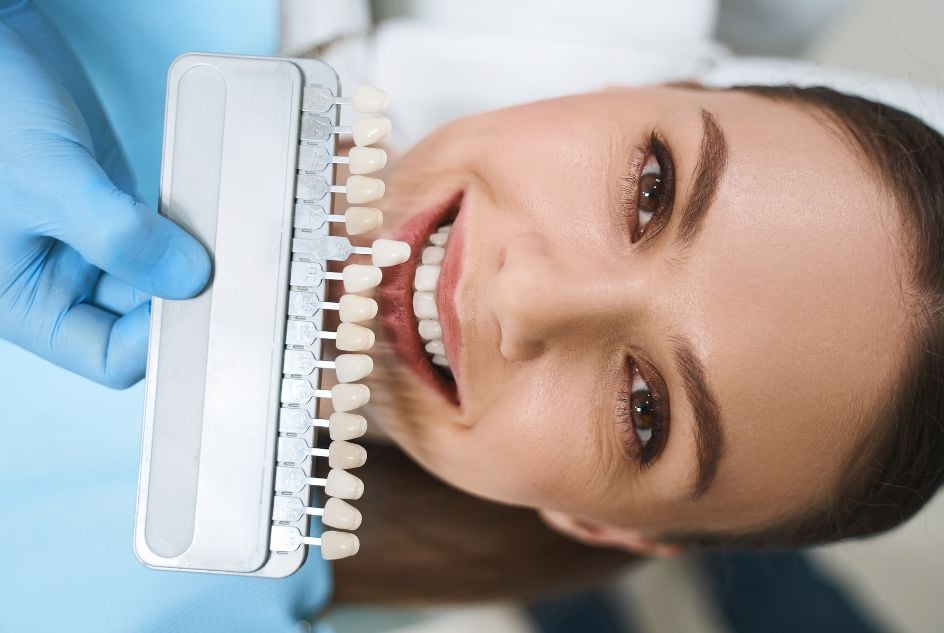
Veneers are one of the most popular procedures in aesthetic dentistry, allowing patients to achieve a natural-looking dentition and the so-called Hollywood smile. These thin shells made of ceramic or composite material are bonded directly to the tooth surface, making it possible to correct tooth color, shape, and even excessively wide gaps between teeth. Although veneers are highly durable, many patients wonder whether veneers can be replaced after many years and in which situations this becomes necessary.
What are veneers and how do they affect the appearance of the smile
To fully understand the issue of replacement, it is worth recalling what veneers actually are. They are thin shells made of porcelain or composite, bonded to the tooth surface using a special dental cement. Veneers are a durable and aesthetic solution, as they allow for the correction of discolorations, cracks, or defects in teeth, as well as improving smile aesthetics without the need for dental implants.
The placement of veneers requires prior tooth preparation, although modern bonding techniques allow tooth reduction to be kept to a minimum. As a result, patients can enjoy veneers in good condition for many years, provided they maintain proper oral hygiene and attend regular check-ups with a dentist.
Durability of veneers and factors that influence it
The longevity of veneers depends on several factors. Porcelain veneers have a longer lifespan than composite veneers, as porcelain is a harder material and less susceptible to staining from foods and beverages such as red wine or tea. In contrast, composite veneers require more frequent replacement, as the composite material wears down and discolors over time.
The durability of veneers is also influenced by:
Do veneers need to be replaced after many years?
Many patients ask whether veneers need to be replaced after many years and how long veneers last. The answer is yes—over time, veneers wear out and eventually require replacement. Porcelain veneers do not need to be replaced frequently; their lifespan can reach even several decades. In the case of composite veneers, this period is shorter and often ranges from about 5 to 7 years.
Veneers can be removed and replaced with new ones. Veneer replacement is performed in an aesthetic dentistry clinic and requires an assessment of the condition of the restorations as well as the tooth surface to which they are bonded. The dentist carefully evaluates the interface between the veneer and the tooth surface to determine whether the cement still provides adequate retention. If properly cared for, veneers in good condition can remain functional for a longer time.
How to care for veneers to extend their lifespan
A patient who decides on veneers should remember that their durability also depends on daily habits. To ensure veneers maintain a natural tooth appearance for as long as possible, it is recommended to:
It is also important to avoid excessive occlusal loads. Excessive bite forces can lead to mechanical damage such as cracks or chipping. For this reason, dentists often advise against biting food with the front teeth.
Veneer replacement and modern aesthetic dentistry
Modern aesthetic dentistry enables highly precise fabrication and replacement of veneers. Both veneers and teeth can be adjusted so that the final result closely resembles natural tooth enamel. Thanks to advanced ceramic materials, a ceramic smile can look very natural, and veneers are bonded using cements resistant to everyday functional stresses.
In patients who have had veneers for many years, replacing them allows not only for an improvement in aesthetics but also for the correction of potential tooth defects, caries, or discolorations. A follow-up visit with a dentist is essential to assess whether the veneers are still in good condition or whether replacement is necessary.
When to replace veneers and how long they last
In summary, veneers are thin shells of porcelain or composite material that significantly improve the appearance of the smile. The lifespan of veneers depends on the material used, the bonding technique, and the level of care provided by the patient. Over time, veneers require replacement, but proper hygiene and regular dental check-ups can allow veneers in good condition to last even several decades.
It is worth remembering that although veneers are an extremely aesthetic and durable element of aesthetic dentistry, they do wear over time and will eventually need to be replaced so that patients can continue to enjoy their veneers and the natural appearance of their teeth.
















Uśmiechaj się pewniej każdego dnia
Odkryj, jak nowoczesne technologie i innowacyjne metody leczenia mogą przynieść rewolucję w dbaniu o Twoje zęby. Nasz zespół specjalistów jest gotowy wprowadzić Cię w przyszłość stomatologii
Markiewicz Clinic
ul. Karola Szymanowskiego 2 lok. 6
80-280 Gdańsk
+48 58 558 80 57
rejestracja@markiewiczclinic.com
znajdziesz nas na:



 Unia Europejska
 +48 58 558 80 57






 osobiście w rejestracji Kliniki,